
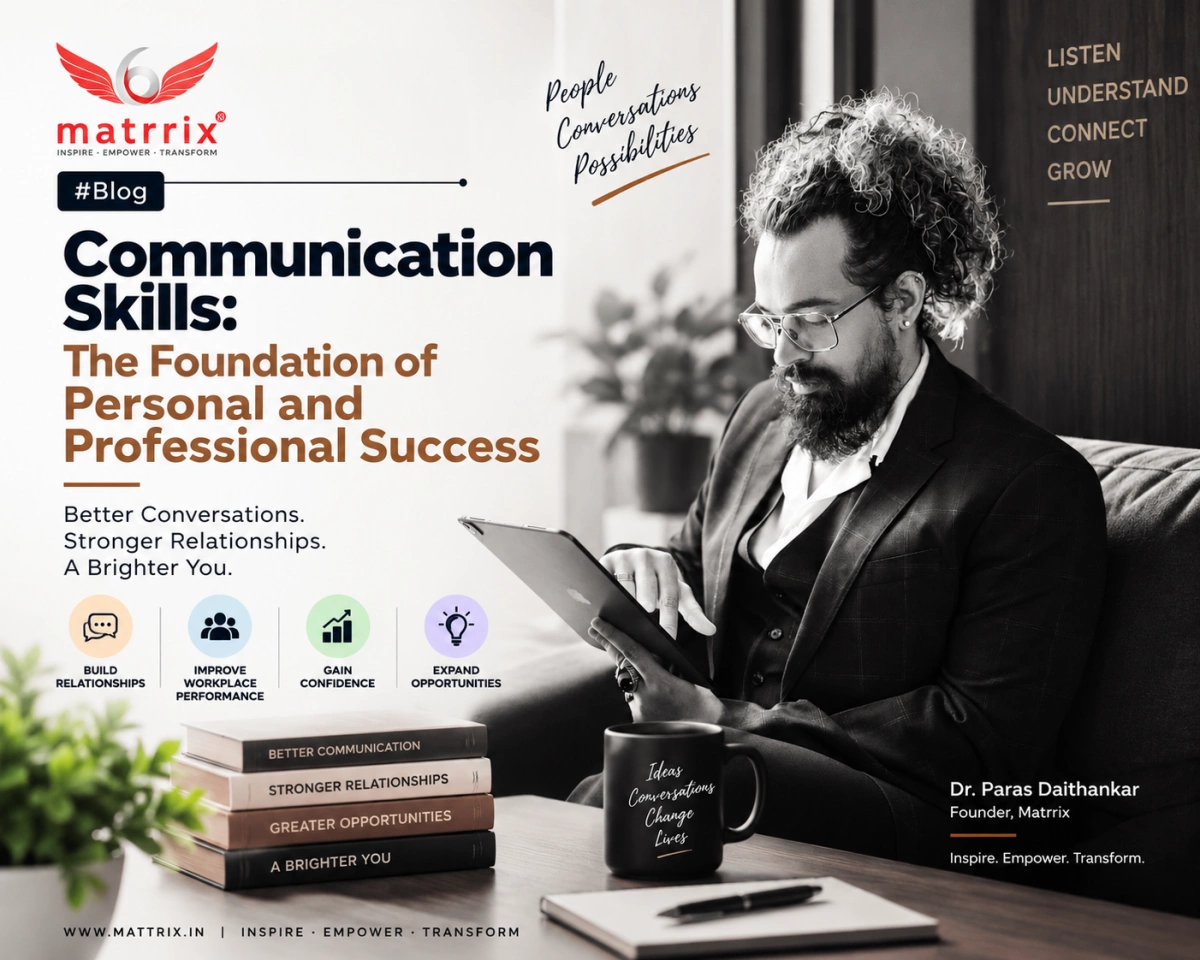
Communication Skills: The Foundation of Personal and Professional Success
Communication is one of the most important life skills every individual needs to succeed personally and professionally. Whether speaking with family members, colleagues, clients, friends, or leaders, the ability to communicate clearly and confidently plays a major role in building relationships, solving problems, and achieving goals.
Strong communication skills are not limited to speaking fluently. Effective communication involves listening actively, understanding emotions, expressing ideas clearly, interpreting body language, and responding appropriately in different situations. Good communication strengthens trust, improves teamwork, reduces misunderstandings, and creates healthier personal and professional environments.
In today’s fast-paced world, communication skills are more important than ever. Organizations value employees who can collaborate effectively, handle difficult conversations professionally, and communicate ideas with confidence. Similarly, healthy relationships depend on open, honest, and respectful communication.
At Matrrix, individuals receive expert guidance and practical support to improve communication skills, emotional intelligence, confidence, and interpersonal relationships for long-term personal growth.
Meet Dr. Paras – Helping Individuals Improve Communication Skills
Dr. Paras is a respected emotional wellness and personal development expert associated with Matrrix who focuses on helping individuals build effective communication habits, emotional awareness, and self-confidence.
With extensive experience in counseling, behavioral guidance, and emotional wellness, Dr. Paras believes that communication is not just about speaking but about understanding emotions, listening with empathy, and expressing thoughts constructively. His practical and compassionate approach helps individuals overcome communication barriers that may affect relationships, workplace performance, or emotional wellbeing.
Through personalized guidance, Dr. Paras helps individuals:
- Improve verbal and nonverbal communication
- Develop active listening skills
- Build self-confidence
- Manage conflict effectively
- Reduce social anxiety
- Strengthen personal and professional relationships
- Improve public speaking and interpersonal interactions
His supportive strategies empower individuals to communicate more clearly, confidently, and effectively in all aspects of life.
What Are Communication Skills?
Communication skills refer to the ability to exchange information, ideas, thoughts, and emotions effectively. These skills involve both verbal and nonverbal forms of communication and are essential for building understanding between individuals.
Communication can occur through:
- Spoken conversations
- Written messages
- Body language
- Facial expressions
- Tone of voice
- Listening behaviors
Strong communication skills help individuals express themselves clearly while also understanding others respectfully and empathetically.
Why Communication Skills Are Important
Good communication affects every area of life, from personal relationships to career success.
Builds Strong Relationships
Healthy communication helps individuals express emotions honestly, resolve misunderstandings, and build trust in relationships.
Improves Workplace Performance
Professionals with strong communication skills often perform better in teamwork, leadership, client interactions, and problem-solving.
Reduces Conflict
Clear communication minimizes misunderstandings and helps individuals handle disagreements calmly and respectfully.
Boosts Confidence
People who communicate effectively often feel more confident during presentations, interviews, meetings, and social interactions.
Enhances Emotional Wellbeing
Open communication reduces emotional stress and encourages healthier emotional expression.
Types of Communication Skills
Communication includes several important components that work together to create effective interactions.
Verbal Communication
Verbal communication involves spoken words and conversations.
Characteristics of Effective Verbal Communication
Strong verbal communicators:
- Speak clearly and confidently
- Use appropriate language
- Organize thoughts effectively
- Adjust tone based on the situation
Clear verbal communication improves understanding and reduces confusion.
Tips to Improve Verbal Communication
- Practice speaking clearly
- Avoid filler words
- Expand vocabulary
- Think before responding
- Speak with confidence
Regular practice improves verbal fluency and communication clarity.
Nonverbal Communication
Nonverbal communication includes body language, facial expressions, posture, gestures, and eye contact.
Why Nonverbal Communication Matters
Body language often communicates emotions more strongly than words. Poor body language can create misunderstandings even when spoken communication is clear.
Examples of Positive Nonverbal Communication
- Maintaining eye contact
- Smiling naturally
- Using open body posture
- Nodding while listening
Positive nonverbal communication creates trust and engagement.
Active Listening
Listening is one of the most overlooked communication skills.
What Is Active Listening?
Active listening means fully focusing on the speaker without interrupting or judging.
Benefits of Active Listening
It helps:
- Improve understanding
- Build trust
- Reduce misunderstandings
- Strengthen relationships
People feel respected when they know they are genuinely heard.
How to Become a Better Listener
- Avoid interrupting
- Maintain eye contact
- Ask clarifying questions
- Pay attention to emotions
- Focus on understanding rather than responding
Active listening creates more meaningful and productive conversations.
Written Communication Skills
Written communication includes emails, messages, reports, and social media interactions.
Importance of Clear Writing
Strong writing skills help individuals communicate ideas professionally and accurately.
Tips for Better Written Communication
- Use simple and clear language
- Organize information logically
- Avoid grammatical errors
- Keep messages concise
- Review before sending
Professional writing improves credibility and communication effectiveness.
Emotional Intelligence and Communication
Emotional intelligence plays a major role in communication effectiveness.
Understanding Emotional Intelligence
Emotional intelligence involves recognizing, understanding, and managing emotions effectively.
How Emotional Intelligence Improves Communication
Emotionally intelligent individuals:
- Communicate calmly under pressure
- Understand emotional cues
- Show empathy
- Resolve conflicts respectfully
Emotional awareness strengthens communication quality and relationship health.
Common Communication Barriers
Several factors can interfere with effective communication.
Lack of Confidence
People who lack confidence may struggle to express ideas clearly or participate in conversations.
Building Communication Confidence
Confidence improves through:
- Practice
- Preparation
- Positive self-talk
- Communication training
Emotional Reactions
Strong emotions like anger, anxiety, or frustration can negatively affect communication.
Managing Emotions During Conversations
- Pause before responding
- Practice deep breathing
- Focus on solutions
- Avoid aggressive language
Emotional control supports healthier discussions.
Poor Listening Habits
Interrupting, distractions, or assumptions often lead to misunderstandings.
Improving Listening Skills
Becoming fully present during conversations improves understanding and reduces communication breakdowns.
Cultural and Language Differences
Different communication styles and cultural expectations can sometimes create confusion.
Importance of Respect and Adaptability
Respecting diversity and adapting communication styles improves interactions across cultures and backgrounds.
Communication Skills in the Workplace
Strong communication skills are essential for career growth and professional success.
Improves Team Collaboration
Effective communication encourages teamwork, trust, and productivity.
Enhances Leadership Skills
Successful leaders communicate clearly, motivate teams, and handle difficult conversations professionally.
Supports Customer Relationships
Businesses rely on strong communication to build customer trust and satisfaction.
Reduces Workplace Conflict
Clear communication minimizes misunderstandings and promotes healthier work environments.
Organizations increasingly value employees who can communicate effectively across teams and departments.
Communication Skills in Personal Relationships
Healthy relationships depend on open and respectful communication.
Encourages Emotional Expression
Good communication allows individuals to express thoughts and emotions honestly.
Strengthens Trust
Open conversations create emotional safety and mutual understanding.
Helps Resolve Conflicts
Healthy communication supports calm and respectful conflict resolution.
Relationships become stronger when individuals communicate with empathy, patience, and honesty.
How to Improve Communication Skills
Communication skills can be developed and strengthened through consistent effort and practice.
Practice Daily Conversations
Engaging in regular conversations helps improve confidence and communication clarity.
Observe Skilled Communicators
Watching effective speakers can provide valuable communication insights and techniques.
Participate in Public Speaking Activities
Public speaking improves confidence, articulation, and presentation abilities.
Seek Constructive Feedback
Feedback helps identify areas for improvement and communication blind spots.
Work on Emotional Awareness
Understanding emotions improves empathy and communication effectiveness.
The Role of Professional Guidance in Communication Development
Some individuals may struggle with social anxiety, low confidence, relationship issues, or workplace communication challenges. Professional guidance can help individuals develop stronger communication habits and emotional awareness.
Benefits of Communication Coaching
Professional support can help individuals:
- Improve confidence
- Develop social skills
- Manage anxiety during conversations
- Strengthen workplace communication
- Improve emotional intelligence
- Handle conflict effectively
Personalized Support at Matrrix
At Matrrix, individuals receive personalized support focused on communication development, emotional wellness, confidence-building, and relationship improvement. Through expert guidance from professionals like Dr. Paras, individuals can gain practical strategies to communicate more effectively and confidently.
Long-Term Benefits of Strong Communication Skills
Developing strong communication skills offers lifelong benefits, including:
- Better relationships
- Improved confidence
- Career growth
- Reduced stress
- Stronger leadership abilities
- Better teamwork
- Improved emotional wellbeing
Strong communication creates opportunities for success in every area of life.
Final Thoughts
Communication skills are essential for building meaningful relationships, achieving professional success, and improving emotional wellbeing. Effective communication goes beyond speaking clearly—it involves listening actively, understanding emotions, expressing thoughts respectfully, and responding thoughtfully in different situations.
By developing communication skills and emotional intelligence, individuals can strengthen relationships, reduce conflict, improve confidence, and create healthier personal and professional environments.
With expert support from professionals like Dr. Paras at Matrrix, individuals can improve communication habits and unlock greater personal and professional growth.
Take the First Step Toward Better Communication
Ready to improve your communication skills, confidence, and relationships? Connect with the experts at Matrrix today and discover personalized guidance designed to strengthen communication, emotional wellness, leadership, and interpersonal success. Start building stronger connections and greater confidence now.
FAQs
What are communication skills?
Communication skills are the abilities used to exchange information, thoughts, emotions, and ideas effectively.
Why are communication skills important?
They improve relationships, workplace performance, confidence, teamwork, and emotional wellbeing.
What are the main types of communication?
The main types include verbal, nonverbal, written, and listening communication.
How can I improve my communication skills?
You can improve communication through practice, active listening, emotional awareness, public speaking, and professional guidance.
Why is active listening important?
Active listening improves understanding, builds trust, and reduces misunderstandings during conversations.
Can professional coaching improve communication skills?
Yes, professional guidance can help individuals improve confidence, emotional intelligence, public speaking, and interpersonal communication.