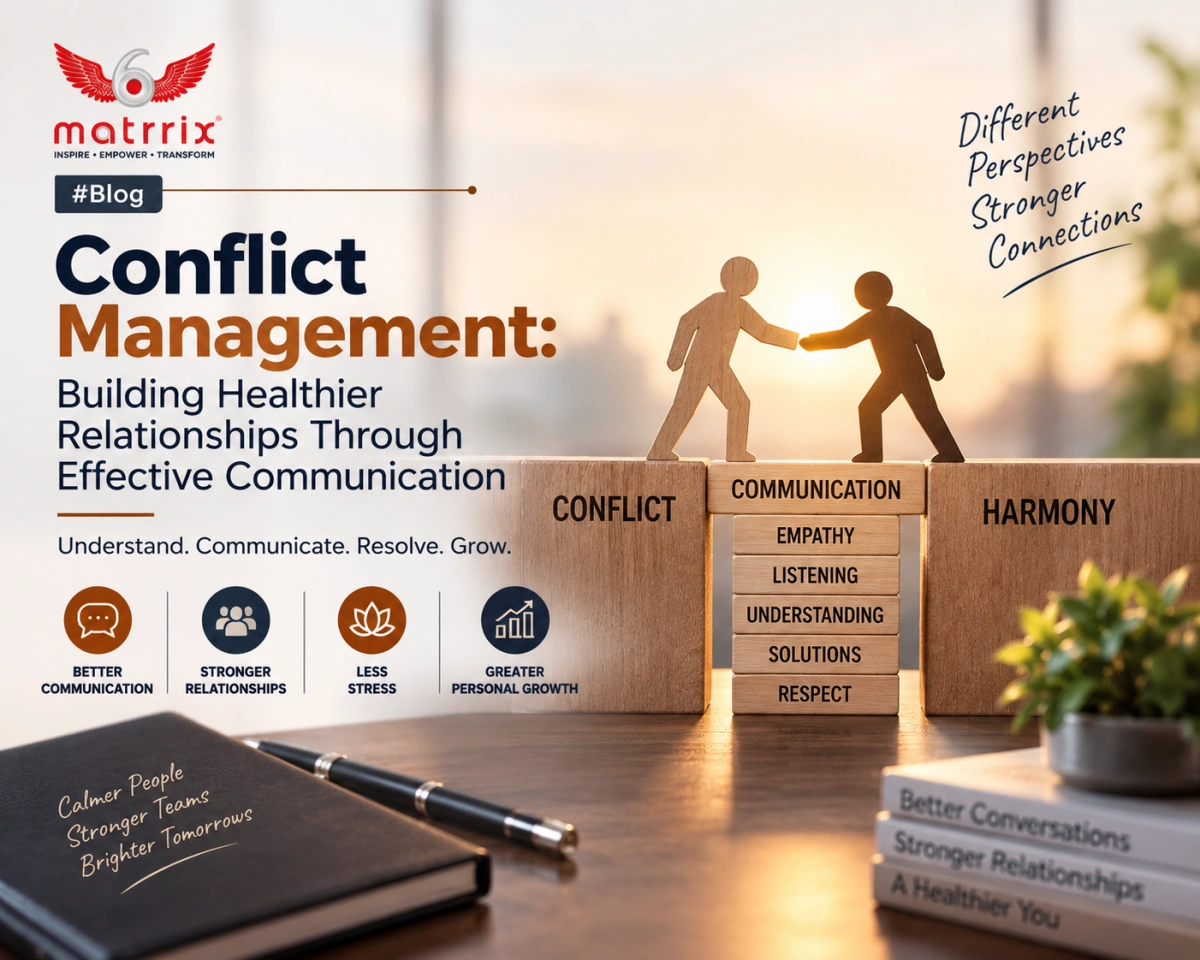
Conflict Management: Building Healthier Relationships Through Effective Communication
Conflict is a natural part of life. Whether in personal relationships, workplaces, friendships, or family settings, disagreements and misunderstandings are unavoidable. However, conflict itself is not always negative. When handled correctly, conflict can lead to better understanding, stronger relationships, improved communication, and personal growth.
The real challenge lies not in avoiding conflict but in learning how to manage it effectively. Poor conflict management can lead to stress, emotional exhaustion, damaged relationships, reduced productivity, and long-term resentment. On the other hand, healthy conflict management encourages mutual respect, problem-solving, and emotional balance.
Conflict management refers to the ability to handle disagreements calmly, respectfully, and constructively. It involves communication skills, emotional intelligence, empathy, active listening, and problem-solving techniques that help individuals navigate difficult situations without causing unnecessary harm.
At Matrrix, individuals are guided toward healthier communication, emotional wellness, and relationship improvement through practical conflict management strategies and professional support.
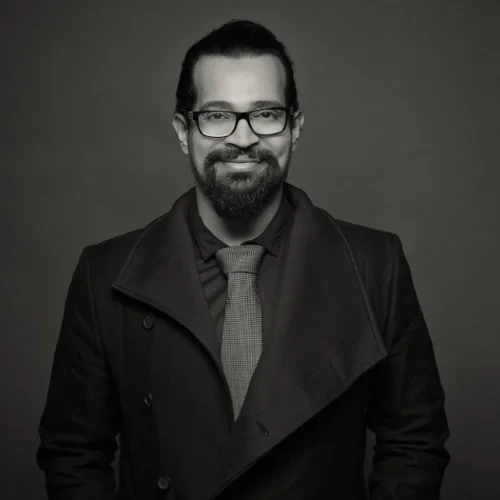
Meet Dr. Paras – Helping Individuals Navigate Conflict Positively
Dr. Paras is a trusted mental wellness and personal development expert associated with Matrrix who focuses on helping individuals develop emotional intelligence, communication skills, and conflict management abilities.
With years of experience in counseling, emotional wellness, and behavioral guidance, Dr. Paras believes that unresolved conflict often stems from emotional triggers, misunderstandings, stress, and ineffective communication patterns. His approach combines emotional awareness, mindfulness, practical communication strategies, and self-reflection to help individuals manage disagreements in healthier ways.
Through personalized guidance, Dr. Paras helps individuals:
- Improve emotional regulation
- Develop active listening skills
- Build empathy and understanding
- Reduce stress during disagreements
- Strengthen personal and professional relationships
- Improve workplace communication
- Resolve conflicts peacefully and confidently
His practical and supportive methods empower individuals to transform conflict into opportunities for growth, understanding, and stronger connections.
What Is Conflict Management?
Conflict management refers to the process of handling disagreements or disputes in a constructive and respectful manner. It involves identifying the source of conflict, understanding different perspectives, and finding solutions that benefit all parties involved.
Conflict can occur due to:
- Miscommunication
- Differences in values or opinions
- Emotional reactions
- Competition
- Unmet expectations
- Lack of boundaries
- Stress and pressure
Effective conflict management focuses on resolution, collaboration, and maintaining healthy relationships rather than “winning” arguments.
Why Conflict Management Is Important
Strong conflict management skills are essential for emotional wellbeing, workplace success, and healthy relationships.
Improves Communication
Conflict management encourages open, honest, and respectful communication. It helps individuals express thoughts clearly while also listening to others.
Strengthens Relationships
When conflicts are resolved constructively, trust and understanding often improve between individuals.
Reduces Stress and Anxiety
Unresolved conflict can create emotional tension and long-term stress. Healthy conflict resolution promotes emotional peace and mental balance.
Enhances Teamwork and Productivity
In workplaces, effective conflict management improves collaboration, employee morale, and overall productivity.
Encourages Personal Growth
Handling disagreements maturely helps individuals develop emotional intelligence, patience, and self-awareness.
Common Causes of Conflict
Understanding the root causes of conflict can help individuals prevent unnecessary disagreements and respond more effectively.
Poor Communication
Misunderstandings often arise when communication is unclear, incomplete, or emotionally charged.
Examples of Communication Issues
- Assumptions
- Misinterpretation
- Lack of listening
- Aggressive tone
- Avoiding conversations
Clear and respectful communication reduces the likelihood of misunderstandings.
Emotional Triggers
People may react strongly when they feel disrespected, ignored, criticized, or misunderstood.
Managing Emotional Reactions
Recognizing emotional triggers helps individuals respond calmly instead of reacting impulsively.
Differences in Opinions or Values
People naturally have different perspectives, experiences, and beliefs. Conflict can occur when individuals struggle to accept differing viewpoints.
Importance of Respecting Differences
Healthy conflict management involves respecting opinions even when disagreements exist.
Workplace Stress and Pressure
High-pressure environments can increase frustration, impatience, and misunderstandings.
Reducing Workplace Conflict
Encouraging teamwork, communication, and stress management can create healthier workplace environments.
Essential Conflict Management Skills
Developing conflict management skills helps individuals handle disagreements more effectively in every area of life.
Active Listening
Active listening means fully focusing on the speaker without interrupting or judging.
Benefits of Active Listening
It helps:
- Improve understanding
- Reduce misunderstandings
- Build trust
- Show respect
People are more willing to cooperate when they feel heard and understood.
Tips for Better Listening
- Maintain eye contact
- Avoid interrupting
- Ask clarifying questions
- Focus on understanding rather than responding
Emotional Intelligence
Emotional intelligence plays a major role in conflict management.
How Emotional Intelligence Helps
Emotionally intelligent individuals can:
- Recognize emotions
- Control reactions
- Show empathy
- Respond calmly during disagreements
Managing emotions effectively prevents conflicts from escalating unnecessarily.
Empathy and Understanding
Empathy involves understanding another person’s feelings and perspective.
Why Empathy Matters in Conflict
Empathy helps reduce defensiveness and encourages respectful communication.
Practicing Empathy
You can practice empathy by:
- Listening without judgment
- Acknowledging emotions
- Respecting different viewpoints
- Asking thoughtful questions
Empathy often creates opportunities for compromise and collaboration.
Problem-Solving Skills
Effective conflict management focuses on solutions rather than blame.
Solution-Oriented Thinking
Instead of focusing on who is right or wrong, individuals should focus on resolving the issue constructively.
Steps to Problem Solving
- Identify the issue clearly
- Understand both perspectives
- Brainstorm solutions
- Agree on realistic actions
- Follow up if necessary
Collaborative problem-solving strengthens trust and cooperation.
Conflict Management Styles
Different people respond to conflict in different ways.
Avoiding
Some individuals avoid conflict completely to prevent discomfort. While temporary avoidance may help in certain situations, long-term avoidance can create unresolved tension.
Competing
This style focuses on winning the argument rather than finding mutual understanding.
Accommodating
Accommodating individuals prioritize others’ needs over their own to maintain peace.
Compromising
Compromise involves finding middle-ground solutions acceptable to everyone involved.
Collaborating
Collaboration is often the healthiest approach because it seeks solutions that satisfy all parties while preserving relationships.
Understanding personal conflict styles helps individuals develop healthier responses.
Conflict Management in the Workplace
Workplace conflict is common due to deadlines, communication differences, and varying expectations.
Encourage Open Communication
Employees should feel comfortable expressing concerns respectfully.
Address Issues Early
Ignoring workplace conflict often leads to larger problems later.
Promote Team Collaboration
Team-building activities and respectful communication strengthen workplace relationships.
Support Emotional Wellness
Organizations that prioritize employee wellbeing often experience healthier workplace environments and reduced conflict.
Conflict Management in Personal Relationships
Healthy relationships require communication, patience, empathy, and mutual respect.
Avoid Aggressive Communication
Shouting, blaming, or insulting damages relationships and increases emotional tension.
Focus on Understanding
Trying to understand the other person’s perspective often leads to healthier discussions.
Choose the Right Time to Talk
Addressing conflict calmly and privately improves communication outcomes.
Practice Forgiveness
Holding onto resentment creates emotional stress and weakens relationships.
The Role of Professional Support in Conflict Management
Sometimes unresolved conflict patterns become emotionally exhausting and difficult to manage alone. Professional guidance can help individuals identify unhealthy communication habits and develop healthier coping strategies.
Benefits of Conflict Management Coaching
Professional support can help individuals:
- Improve communication skills
- Develop emotional awareness
- Strengthen relationships
- Reduce stress and anxiety
- Build confidence during difficult conversations
- Improve workplace interactions
Personalized Support at Matrrix
At Matrrix, individuals receive personalized emotional wellness and communication support designed to improve conflict management skills, emotional intelligence, and relationship health. Through expert guidance from professionals like Dr. Paras, individuals can learn practical techniques for handling disagreements confidently and respectfully.
Long-Term Benefits of Effective Conflict Management
Strong conflict management skills provide lifelong personal and professional benefits, including:
- Better communication
- Stronger relationships
- Reduced stress
- Improved teamwork
- Greater emotional intelligence
- Higher self-confidence
- Better problem-solving abilities
Learning to manage conflict effectively creates healthier emotional environments and stronger human connections.
Final Thoughts
Conflict is a natural part of human interaction, but it does not have to damage relationships or emotional wellbeing. Effective conflict management allows individuals to communicate respectfully, understand different perspectives, and resolve disagreements constructively. Through emotional intelligence, empathy, active listening, and problem-solving skills, individuals can transform conflict into opportunities for personal growth and stronger relationships.
With expert support from professionals like Dr. Paras at Matrrix, individuals can develop healthier communication habits and build more emotionally balanced and fulfilling lives.
Take the First Step Toward Healthier Communication
Struggling with relationship conflicts, workplace stress, or communication challenges? Connect with the experts at Matrrix today and discover personalized conflict management strategies designed to improve emotional wellness, communication, and relationship health. Start building stronger, healthier, and more positive connections now.
FAQs
What is conflict management?
Conflict management refers to handling disagreements constructively through communication, empathy, emotional control, and problem-solving techniques.
Why is conflict management important?
It improves relationships, communication, teamwork, emotional wellbeing, and stress management.
What are the common causes of conflict?
Common causes include poor communication, emotional triggers, workplace pressure, misunderstandings, and differences in opinions or values.
How can emotional intelligence improve conflict management?
Emotional intelligence helps individuals control emotions, understand others’ perspectives, and respond calmly during disagreements.
What is the best conflict management style?
Collaboration is often considered the healthiest approach because it focuses on mutual understanding and problem-solving.
Can professional coaching help with conflict management?
Yes, professional guidance can improve communication skills, emotional awareness, stress management, and relationship health.