
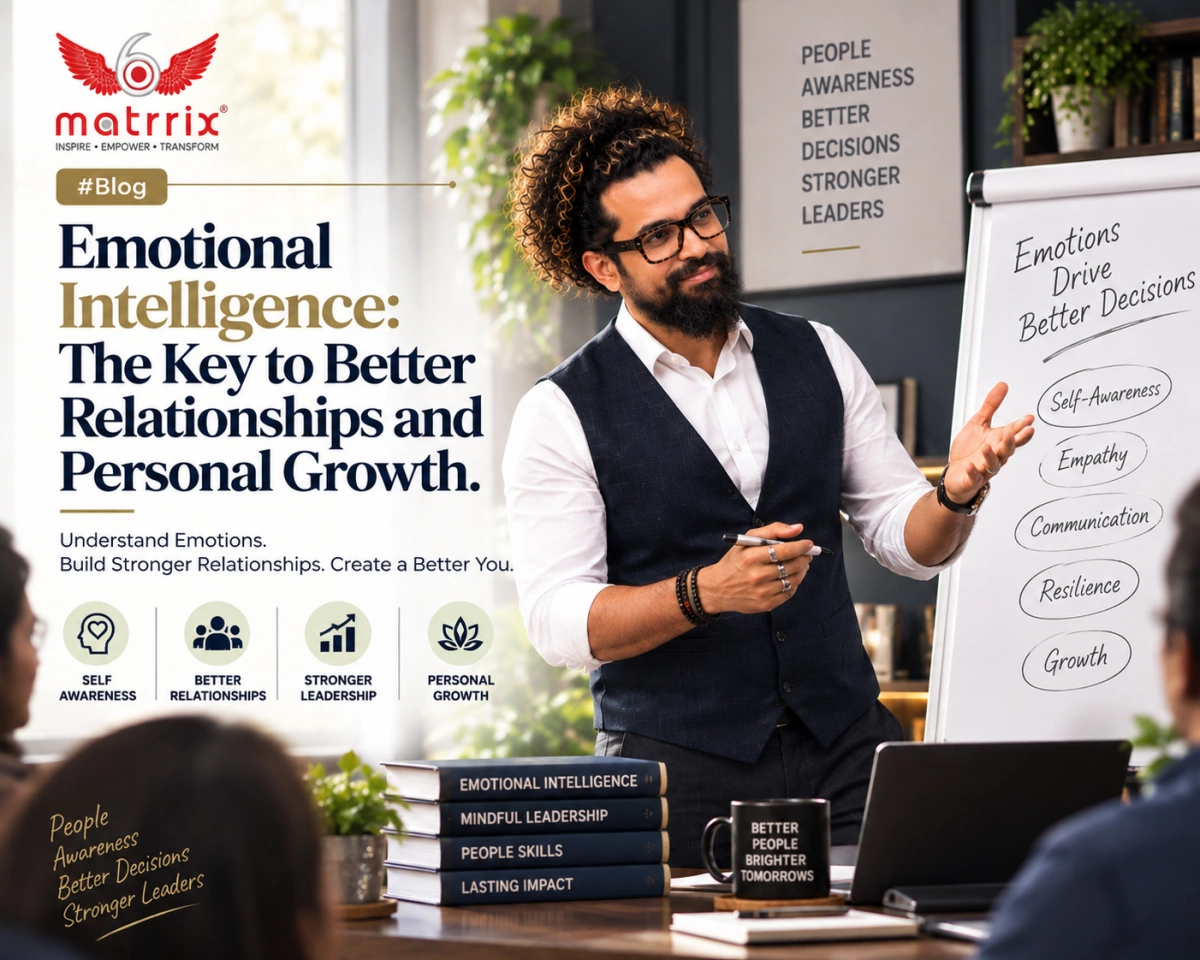
Emotional Intelligence: The Key to Better Relationships and Personal Growth
In today’s fast-paced and emotionally demanding world, technical knowledge and academic qualifications alone are no longer enough to succeed. The ability to understand emotions, communicate effectively, handle stress, and build meaningful relationships has become equally important. This is where emotional intelligence plays a vital role.
Emotional intelligence, often called EQ (Emotional Quotient), refers to the ability to recognize, understand, manage, and influence emotions—both your own and those of others. People with high emotional intelligence tend to make better decisions, maintain healthier relationships, manage stress more effectively, and perform better in both personal and professional environments.
Unlike IQ, emotional intelligence can be developed and strengthened over time through self-awareness, practice, and guidance. As organizations and individuals increasingly focus on mental wellness and emotional resilience, emotional intelligence has become one of the most valuable life skills.
At Matrrix, emotional wellness and personal development are supported through expert guidance, practical strategies, and transformative coaching designed to help individuals build emotional resilience and lead balanced lives.
Meet Dr. Paras – Helping Individuals Build Emotional Intelligence
Dr. Paras is a respected mental wellness expert associated with Matrrix who focuses on helping individuals strengthen emotional intelligence, improve self-awareness, and develop healthier emotional responses.
With years of experience in emotional wellness, counseling, and personal growth, Dr. Paras believes that emotional intelligence is essential for long-term happiness, relationship success, and career growth. His approach combines practical techniques, emotional awareness exercises, mindfulness practices, and behavioral strategies to help individuals better understand themselves and others.
Through personalized sessions and structured guidance, Dr. Paras helps people:
- Improve emotional control
- Build confidence and self-awareness
- Manage stress and anxiety
- Enhance communication skills
- Strengthen relationships
- Develop leadership qualities
- Improve decision-making abilities
His supportive and practical approach empowers individuals to create meaningful personal transformation and emotional balance.
What Is Emotional Intelligence?
Emotional intelligence is the ability to recognize emotions, understand their impact, and respond appropriately in different situations. It influences how people communicate, solve problems, manage conflict, and build relationships.
Psychologists often divide emotional intelligence into several key components:
- Self-awareness
- Self-regulation
- Motivation
- Empathy
- Social skills
People with strong emotional intelligence can remain calm under pressure, communicate effectively, and respond thoughtfully rather than reacting impulsively.
Why Emotional Intelligence Matters
Emotional intelligence affects nearly every area of life, from relationships and career success to mental wellbeing and personal satisfaction.
Improves Communication
Emotionally intelligent individuals express themselves clearly and listen actively. They understand verbal and nonverbal communication cues, which helps reduce misunderstandings.
Strengthens Relationships
Healthy relationships require empathy, patience, trust, and emotional understanding. Emotional intelligence allows individuals to build stronger personal and professional connections.
Enhances Leadership Skills
Successful leaders often possess high emotional intelligence because they can motivate teams, handle conflicts, and create positive work environments.
Supports Mental Wellness
People with emotional intelligence are generally better at managing stress, anxiety, frustration, and emotional challenges.
Improves Decision-Making
Emotional intelligence helps individuals make balanced decisions without allowing emotions to cloud judgment.
The Core Components of Emotional Intelligence
Understanding the main components of emotional intelligence helps individuals identify areas for improvement.
Self-Awareness
Self-awareness is the ability to recognize your emotions and understand how they influence your thoughts and behavior.
Signs of Strong Self-Awareness
People with strong self-awareness:
- Understand their emotional triggers
- Recognize strengths and weaknesses
- Accept constructive feedback
- Reflect on their behavior
Developing self-awareness is the foundation of emotional intelligence.
How to Improve Self-Awareness
Simple practices include:
- Journaling emotions
- Practicing mindfulness
- Reflecting on daily experiences
- Asking for honest feedback
These habits encourage deeper emotional understanding and personal growth.
Self-Regulation
Self-regulation refers to managing emotions in healthy and constructive ways.
Benefits of Emotional Control
People who regulate emotions effectively can:
- Stay calm under pressure
- Avoid impulsive decisions
- Handle conflict professionally
- Respond thoughtfully during challenges
Techniques to Improve Self-Regulation
Helpful strategies include:
- Deep breathing exercises
- Meditation
- Taking pauses before reacting
- Practicing positive self-talk
Emotional control does not mean suppressing emotions; it means managing them wisely.
Motivation and Emotional Intelligence
Emotionally intelligent individuals are often internally motivated. They pursue goals with passion, discipline, and resilience.
Characteristics of Emotionally Motivated People
They tend to:
- Stay optimistic during setbacks
- Focus on personal growth
- Maintain discipline
- Adapt to challenges
Internal motivation supports long-term success and emotional stability.
Building Healthy Motivation
Ways to strengthen motivation include:
- Setting realistic goals
- Celebrating progress
- Maintaining a growth mindset
- Focusing on purpose rather than pressure
Empathy – Understanding Others’ Emotions
Empathy is one of the most important aspects of emotional intelligence. It involves understanding and respecting the emotions of others.
Why Empathy Matters
Empathy helps individuals:
- Build stronger relationships
- Resolve conflicts peacefully
- Improve teamwork
- Become better leaders
Empathetic people often create safer and more supportive environments around them.
How to Become More Empathetic
You can improve empathy by:
- Listening actively
- Avoiding judgment
- Paying attention to body language
- Trying to understand different perspectives
Empathy strengthens both personal and professional interactions.
Social Skills and Relationship Management
Social skills allow individuals to communicate effectively and maintain healthy relationships.
Strong Social Skills Include
- Active listening
- Clear communication
- Conflict resolution
- Collaboration
- Emotional support
People with strong social skills often succeed in leadership, teamwork, and networking situations.
Improving Social Skills
Ways to strengthen social abilities include:
- Practicing effective communication
- Building confidence
- Learning conflict management
- Improving emotional awareness
Healthy communication builds trust and mutual respect.
Emotional Intelligence in the Workplace
Emotional intelligence has become one of the most valued professional skills in modern workplaces.
Better Team Collaboration
Employees with emotional intelligence communicate respectfully and work well with diverse teams.
Improved Leadership
Emotionally intelligent leaders inspire employees, manage stress effectively, and create positive workplace cultures.
Better Conflict Resolution
Strong EQ helps professionals handle disagreements calmly and professionally.
Increased Productivity
Managing emotions effectively reduces workplace stress and improves focus and efficiency.
Organizations increasingly prioritize emotional intelligence because it contributes to employee wellbeing and organizational success.
Emotional Intelligence in Personal Relationships
Relationships thrive when individuals understand and respect emotions.
Healthy Communication
Emotionally intelligent people communicate honestly without being aggressive or defensive.
Stronger Trust and Understanding
Empathy and emotional awareness create deeper emotional connections.
Better Conflict Management
EQ helps individuals resolve disagreements calmly and respectfully.
Whether in friendships, family relationships, or romantic partnerships, emotional intelligence strengthens emotional bonds.
Can Emotional Intelligence Be Developed?
Yes. Unlike fixed personality traits, emotional intelligence can improve through practice, learning, and guidance.
Daily Habits That Improve EQ
- Practice mindfulness
- Reflect on emotional responses
- Listen actively
- Develop patience
- Accept feedback positively
- Learn stress management techniques
Consistent self-improvement efforts can significantly strengthen emotional intelligence over time.
The Role of Professional Guidance in Building Emotional Intelligence
Some individuals may struggle with emotional regulation, communication difficulties, anxiety, or relationship challenges. Professional guidance can help identify emotional patterns and develop healthier coping strategies.
Benefits of Emotional Intelligence Coaching
Professional support can help individuals:
- Improve confidence
- Develop self-awareness
- Strengthen emotional resilience
- Enhance communication
- Build leadership abilities
- Manage stress effectively
Personalized Support at Matrrix
At Matrrix, individuals receive personalized support focused on emotional wellbeing, emotional intelligence development, and personal growth. Through expert guidance from professionals like Dr. Paras, individuals can gain practical tools to improve relationships, mental wellness, and emotional balance.
Long-Term Benefits of Emotional Intelligence
Developing emotional intelligence offers lifelong benefits, including:
- Better mental health
- Improved communication
- Stronger relationships
- Career advancement
- Better stress management
- Increased confidence
- Greater emotional stability
People with high emotional intelligence often experience greater life satisfaction and personal fulfillment.
Final Thoughts
Emotional intelligence is one of the most powerful skills individuals can develop for personal and professional success. It influences communication, leadership, emotional wellbeing, decision-making, and relationships. By strengthening self-awareness, empathy, emotional regulation, and social skills, individuals can navigate life’s challenges with greater confidence and balance.
With expert support from professionals like Dr. Paras at Matrrix, individuals can develop emotional intelligence in meaningful and lasting ways that improve every aspect of life.
Take the First Step Toward Emotional Growth
Ready to improve your emotional intelligence and build a healthier, more balanced life? Connect with the experts at Matrrix today and discover personalized guidance designed to strengthen emotional wellbeing, confidence, leadership, and relationships. Start your journey toward emotional growth and personal transformation now.
FAQs
What is emotional intelligence?
Emotional intelligence is the ability to recognize, understand, manage, and influence emotions effectively.
Why is emotional intelligence important?
It improves communication, relationships, leadership skills, stress management, and overall mental wellbeing.
Can emotional intelligence be improved?
Yes, emotional intelligence can be developed through self-awareness, mindfulness, emotional regulation, and professional guidance.
What are the main components of emotional intelligence?
The key components are self-awareness, self-regulation, motivation, empathy, and social skills.
How does emotional intelligence help in the workplace?
It improves teamwork, leadership, communication, conflict resolution, and productivity.
How can I improve my emotional intelligence?
You can improve EQ through active listening, mindfulness, emotional reflection, stress management, and practicing empathy.