
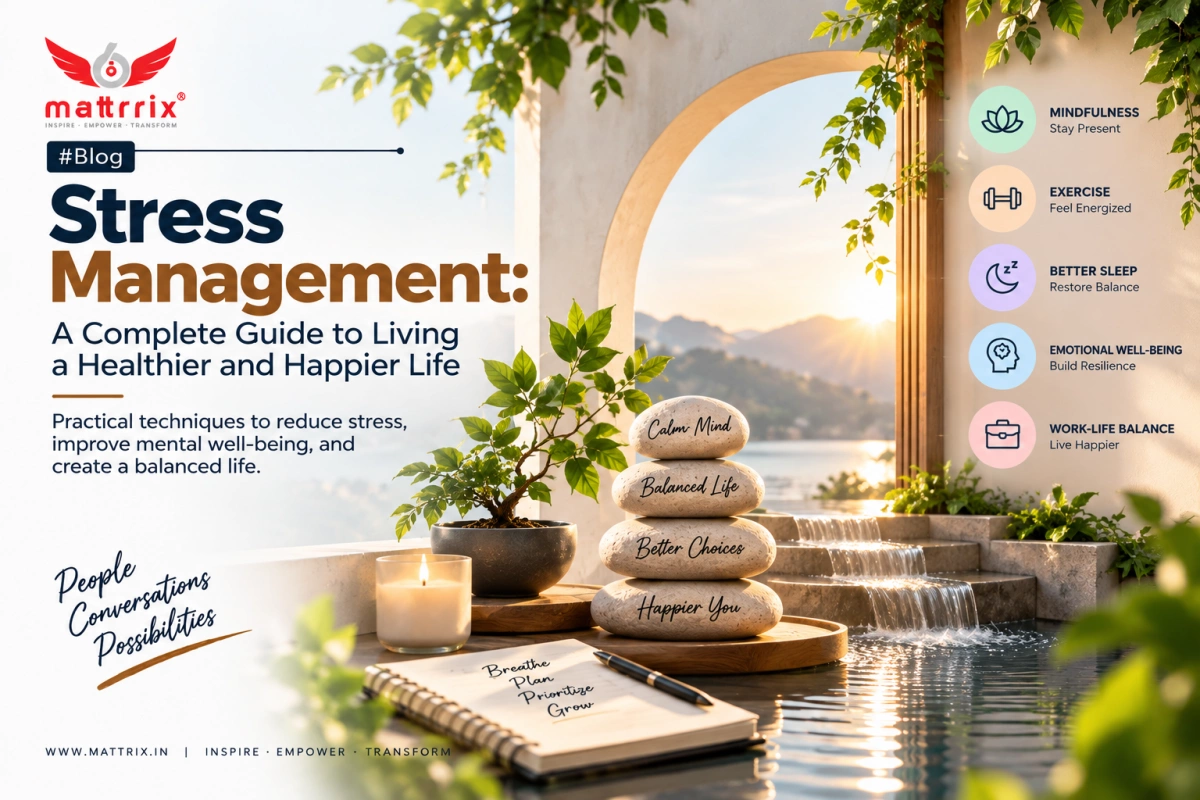
Stress Management: A Complete Guide to Living a Healthier and Happier Life
Stress has become an unavoidable part of modern life. Whether it stems from work pressure, personal responsibilities, financial concerns, or unexpected life events, stress can significantly impact our physical health, emotional well-being, and overall quality of life.
While a certain level of stress can motivate us to perform better and overcome challenges, chronic stress can have serious consequences if left unmanaged. This is why stress management has become an essential skill for maintaining a balanced, productive, and fulfilling life.
In this guide, we will explore what stress is, its effects on the mind and body, and practical strategies to manage it effectively.
Meet Dr. Paras: Helping Individuals Build Mental Resilience
At Matrrix, mental wellness is a priority, and one of the leading professionals guiding individuals toward emotional well-being is Dr. Paras.
Dr. Paras specializes in helping individuals understand, manage, and overcome stress through evidence-based therapeutic approaches. With extensive experience in mental health counseling and personal development, Dr. Paras works closely with individuals facing workplace stress, anxiety, emotional challenges, and life transitions.
His approach focuses on identifying the root causes of stress, developing healthy coping mechanisms, and empowering individuals to build long-term emotional resilience. Through personalized guidance, mindfulness practices, and proven psychological techniques, Dr. Paras helps clients regain control of their lives and achieve better mental well-being.
Whether you are experiencing everyday stress or struggling with long-term emotional challenges, professional support can make a meaningful difference in your journey toward a healthier and more balanced life.
Understanding Stress: What Is It?
Stress is the body's natural response to challenges, demands, or threats. When faced with a stressful situation, the body activates its "fight-or-flight" response, releasing hormones such as adrenaline and cortisol.
These hormones prepare the body to react quickly by:
- Increasing heart rate
- Raising blood pressure
- Enhancing alertness
- Boosting energy levels
While this response is beneficial during emergencies, prolonged activation can negatively affect physical and mental health.
Types of Stress
Acute Stress
Acute stress is short-term stress that occurs in response to immediate challenges or situations. Examples include:
- Meeting a work deadline
- Giving a presentation
- Taking an exam
- Dealing with unexpected events
This type of stress usually subsides once the situation is resolved.
Chronic Stress
Chronic stress develops when stressful situations persist for an extended period. Common causes include:
- Ongoing work pressure
- Financial difficulties
- Relationship conflicts
- Long-term health concerns
Chronic stress can significantly impact both physical and mental health if not managed effectively.
Episodic Acute Stress
Some individuals frequently experience acute stress, leading to recurring episodes of anxiety, worry, and tension. This pattern is known as episodic acute stress.
Common Causes of Stress
Understanding the sources of stress is the first step toward effective stress management.
Workplace Stress
Work-related stress is one of the most common forms of stress today. Factors contributing to workplace stress include:
- Heavy workloads
- Tight deadlines
- Lack of work-life balance
- Job insecurity
- Poor management practices
Financial Stress
Financial concerns often create significant emotional strain. Examples include:
- Debt
- Rising living expenses
- Unexpected emergencies
- Uncertain income
- Relationship Challenges
Conflicts with family members, partners, friends, or colleagues can lead to emotional distress and anxiety.
Health-Related Concerns
Personal health issues or caring for loved ones with medical conditions can become a major source of stress.
Life Transitions
Major life changes can trigger stress, including:
- Marriage
- Divorce
- Relocation
- Parenthood
- Career changes
- Retirement
Signs and Symptoms of Stress
Stress affects individuals differently, but there are common indicators that should not be ignored.
Physical Symptoms
- Headaches
- Fatigue
- Muscle tension
- Digestive problems
- Sleep disturbances
- Increased heart rate
- Emotional Symptoms
- Anxiety
- Irritability
- Mood swings
- Feeling overwhelmed
- Depression
- Lack of motivation
- Cognitive Symptoms
- Difficulty concentrating
- Poor decision-making
- Constant worrying
- Racing thoughts
- Memory problems
- Behavioral Symptoms
- Social withdrawal
- Increased alcohol or substance use
- Emotional eating
- Procrastination
- Reduced productivity
The Impact of Chronic Stress on Health
Long-term stress can contribute to numerous health problems.
Cardiovascular Issues
Chronic stress can increase the risk of:
- High blood pressure
- Heart disease
- Stroke
Mental Health Disorders
Unmanaged stress may contribute to:
- Anxiety disorders
- Depression
- Panic attacks
- Burnout
Weakened Immune System
Stress can suppress immune function, making individuals more vulnerable to infections and illnesses.
Digestive Problems
Many people experience digestive issues such as:
- Acid reflux
- Irritable bowel syndrome (IBS)
- Stomach discomfort
- Sleep Disorders
Persistent stress often leads to insomnia and poor sleep quality, creating a cycle that further worsens stress levels.
Effective Stress Management Techniques
The good news is that stress can be managed successfully through healthy habits and evidence-based strategies.
Practice Mindfulness
Mindfulness involves focusing on the present moment without judgment.
Benefits include:
- Reduced anxiety
- Improved emotional regulation
- Better concentration
- Enhanced self-awareness
Simple mindfulness practices include:
- Deep breathing exercises
- Guided meditation
- Mindful walking
- Body scan techniques
Deep Breathing Exercise
Try the following method:
- Inhale slowly through your nose for four seconds.
- Hold your breath for four seconds.
- Exhale slowly through your mouth for six seconds.
- Repeat for five minutes.
This technique helps calm the nervous system and reduce stress levels.
Engage in Regular Physical Activity
Exercise is one of the most effective stress management tools available.
Benefits include:
- Release of endorphins
- Improved mood
- Better sleep
- Reduced muscle tension
Recommended activities:
- Walking
- Jogging
- Swimming
- Yoga
- Cycling
- Strength training
Aim for at least 150 minutes of moderate exercise each week.
Maintain a Healthy Lifestyle
Your daily habits significantly influence your ability to manage stress.
Prioritize Sleep
Adults should aim for 7–9 hours of quality sleep per night.
Tips for better sleep:
- Maintain a consistent bedtime
- Limit screen time before bed
- Create a relaxing sleep environment
- Avoid caffeine late in the day
Eat a Balanced Diet
Nutritious foods support brain function and emotional health.
Include:
- Fruits
- Vegetables
- Whole grains
- Lean proteins
- Healthy fats
Limit excessive sugar, caffeine, and processed foods.
Improve Time Management Skills
Poor time management often contributes to stress.
Strategies include:
- Creating daily schedules
- Prioritizing tasks
- Breaking large projects into smaller steps
- Setting realistic goals
- Avoiding multitasking
Effective planning helps reduce feelings of overwhelm.
Build Strong Social Connections
Humans are naturally social beings, and supportive relationships play a critical role in stress reduction.
Ways to strengthen social support:
- Spend time with family and friends
- Join community groups
- Participate in hobbies
- Seek peer support when needed
Talking about challenges can often reduce emotional burden.
Learn to Set Healthy Boundaries
Many people experience stress because they struggle to say "no."
Healthy boundaries help protect:
- Time
- Energy
- Emotional well-being
Setting limits is not selfish—it is an essential component of self-care.
Practice Relaxation Techniques
Relaxation techniques can lower stress levels and improve overall well-being.
Popular methods include:
Progressive Muscle Relaxation
This technique involves systematically tensing and relaxing different muscle groups.
Guided Visualization
Visualizing peaceful environments can help reduce anxiety and create a sense of calm.
Yoga
Yoga combines physical movement, controlled breathing, and mindfulness, making it highly effective for stress management.
Limit Exposure to Stress Triggers
While not all stressors can be eliminated, some can be minimized.
Examples include:
- Reducing unnecessary commitments
- Limiting excessive news consumption
- Taking breaks from social media
- Avoiding toxic environments
Identifying personal triggers can help create healthier coping strategies.
Develop Positive Thinking Patterns
Our thoughts significantly influence our emotional responses.
Techniques for cultivating positive thinking include:
- Practicing gratitude
- Challenging negative beliefs
- Reframing difficult situations
- Celebrating small successes
Positive thinking does not mean ignoring challenges—it means approaching them with resilience and perspective.
When to Seek Professional Help
While self-help techniques can be effective, professional support may be necessary if:
- Stress becomes overwhelming
- Daily functioning is affected
- Anxiety or depression develops
- Sleep problems persist
- Relationships suffer
Mental health professionals can provide personalized strategies and therapeutic interventions to address the root causes of stress.
At Matrrix, experienced professionals like Dr. Paras help individuals develop practical coping mechanisms, improve emotional resilience, and achieve lasting mental wellness.
Creating Your Personal Stress Management Plan
A personalized stress management plan can help you stay proactive.
Step 1: Identify Stressors
List situations, people, or circumstances that trigger stress.
Step 2: Recognize Warning Signs
Pay attention to physical, emotional, and behavioral symptoms.
Step 3: Choose Coping Strategies
Select techniques that work best for your lifestyle and personality.
Step 4: Monitor Progress
Track your stress levels regularly and adjust your approach when necessary.
Step 5: Seek Support
Don't hesitate to reach out to professionals, friends, or family when needed.
Conclusion
Stress is a natural part of life, but it does not have to control your well-being. By understanding the causes of stress and implementing effective stress management techniques, you can improve your physical health, emotional balance, productivity, and overall quality of life.
Small daily changes—such as practicing mindfulness, staying active, improving sleep habits, and seeking professional guidance when necessary—can make a significant difference.
Remember, managing stress is not about eliminating every challenge from your life. It is about developing the skills, resilience, and mindset needed to navigate challenges in a healthy and sustainable way.
Take Control of Your Stress with Matrrix
Feeling overwhelmed by stress, anxiety, or emotional challenges? You don't have to face it alone. At Matrrix, Dr. Paras and our experienced mental health professionals provide personalized guidance and evidence-based support to help you build resilience, improve emotional well-being, and regain balance in your life.
Book a consultation today and take the first step toward a calmer, healthier, and more fulfilling future.
FAQs
1. What is stress management?
Stress management refers to techniques and strategies that help individuals cope with stress effectively, reducing its negative impact on physical and mental health.
2. What are the most effective stress management techniques?
Some of the most effective techniques include mindfulness, regular exercise, deep breathing, healthy sleep habits, time management, and professional counseling.
3. How does stress affect mental health?
Chronic stress can contribute to anxiety, depression, burnout, mood swings, and difficulty concentrating.
4. Can exercise help reduce stress?
Yes. Physical activity releases endorphins, improves mood, reduces tension, and supports overall mental well-being.
5. When should I seek professional help for stress?
You should seek professional support if stress becomes overwhelming, interferes with daily life, affects relationships, or contributes to anxiety, depression, or sleep problems.
Free resources please listen to the audio files on building self confidence and self esteem and inner peace - listen to it in a quiet space do not listen to it while driving or operating machinery
https://soundcloud.com/user-552082173/confidence-and-self-esteem
https://www.youtube.com/watch?v=xlFj9Q9uwOY