
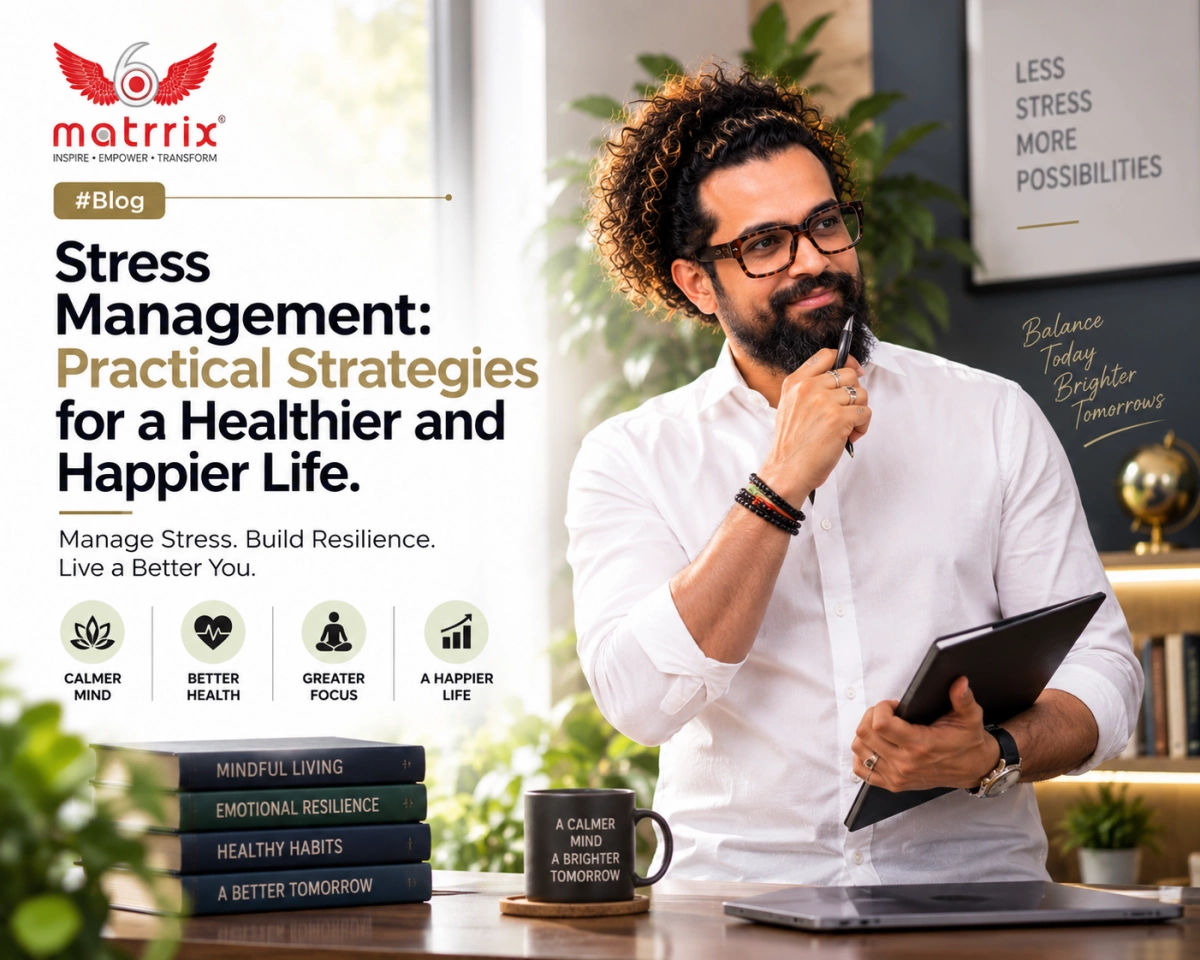
Stress Management: Practical Strategies for a Healthier and Happier Life
Stress has become an unavoidable part of modern life. From workplace pressures and financial responsibilities to relationship challenges and personal expectations, stress affects people of all ages. While a small amount of stress can motivate individuals to perform better, chronic stress can negatively impact physical health, emotional wellbeing, productivity, and relationships.
Effective stress management is not about completely eliminating stress from life. Instead, it involves learning how to cope with stressful situations in healthy and productive ways. By understanding stress triggers and practicing proven stress management techniques, individuals can improve mental clarity, emotional balance, and overall quality of life.
At Matrrix, mental wellness and personal growth are given priority through expert guidance and structured support systems that help individuals lead healthier and more fulfilling lives.
Meet Dr. Paras – Guiding Individuals Toward Mental Wellness
Dr. Paras is a trusted mental wellness expert associated with Matrrix who focuses on helping individuals overcome emotional challenges, stress-related concerns, and mental health difficulties through compassionate and practical approaches.
With extensive experience in counseling, personal development, and emotional wellness, Dr. Paras believes that stress management should address both the mind and body. His approach emphasizes self-awareness, emotional resilience, mindfulness, and sustainable lifestyle improvements rather than temporary solutions.
Through personalized consultations and scientifically backed techniques, Dr. Paras helps individuals:
- Identify stress triggers
- Improve emotional regulation
- Build confidence and resilience
- Develop healthier thought patterns
- Achieve work-life balance
- Strengthen interpersonal relationships
His guidance empowers people to regain control over their emotions and create a healthier mental state in both personal and professional life.
Understanding Stress and Its Impact
Stress is the body’s natural response to challenging or demanding situations. When individuals face pressure, the body releases hormones such as cortisol and adrenaline, preparing the body to respond quickly. While this response is useful in short-term situations, prolonged stress can lead to serious health issues.
Common Causes of Stress
Different people experience stress for different reasons. Some of the most common causes include:
- Work-related pressure
- Financial difficulties
- Academic challenges
- Family conflicts
- Health concerns
- Relationship issues
- Social expectations
- Major life changes
Understanding the root cause of stress is the first step toward managing it effectively.
Physical Symptoms of Stress
Stress can affect the body in many ways, including:
- Headaches
- Fatigue
- Muscle tension
- Sleep disturbances
- Digestive issues
- Increased heart rate
- Weakened immunity
Ignoring these symptoms may eventually lead to long-term health complications.
Emotional and Mental Symptoms
Stress also impacts emotional wellbeing and mental health. Common signs include:
- Anxiety
- Irritability
- Mood swings
- Difficulty concentrating
- Feeling overwhelmed
- Lack of motivation
- Depression
Recognizing these signs early can help individuals seek timely support and intervention.
Why Stress Management Is Important
Managing stress effectively improves both mental and physical health. Without proper stress management, chronic stress can interfere with productivity, relationships, and overall happiness.
Improves Mental Clarity
Stress management techniques help calm the mind and improve focus, decision-making, and concentration.
Supports Physical Health
Reducing stress lowers the risk of conditions such as high blood pressure, heart disease, obesity, and weakened immunity.
Enhances Emotional Stability
Healthy coping strategies help individuals regulate emotions and respond more calmly to challenging situations.
Strengthens Relationships
People who manage stress effectively often communicate better and maintain healthier personal and professional relationships.
Effective Stress Management Techniques
There is no one-size-fits-all solution for stress management. However, several proven strategies can significantly reduce stress levels and improve emotional wellbeing.
Practice Mindfulness and Meditation
Mindfulness involves focusing on the present moment without judgment. Meditation helps calm the mind and reduce racing thoughts.
Benefits of Mindfulness
Regular mindfulness practice can:
- Reduce anxiety
- Improve concentration
- Enhance emotional regulation
- Promote inner calmness
Even spending 10 to 15 minutes daily practicing mindfulness can create noticeable improvements in mental wellbeing.
Simple Meditation Techniques
Beginners can start with:
- Deep breathing exercises
- Guided meditation
- Body scan meditation
- Visualization techniques
Consistency is more important than perfection when developing mindfulness habits.
Maintain a Healthy Lifestyle
Lifestyle choices directly affect stress levels. Building healthy daily habits can improve resilience and emotional balance.
Exercise Regularly
Physical activity releases endorphins, which naturally improve mood and reduce stress. Activities such as walking, yoga, cycling, swimming, or strength training can be highly beneficial.
Prioritize Sleep
Lack of sleep increases irritability and reduces the ability to handle stress effectively. Adults should aim for 7 to 9 hours of quality sleep each night.
Eat Balanced Meals
Nutritious foods support brain function and emotional stability. A healthy diet should include:
- Fruits and vegetables
- Whole grains
- Lean proteins
- Healthy fats
- Adequate hydration
Reducing excessive caffeine, sugar, and processed foods can also help stabilize mood.
Develop Healthy Time Management Skills
Poor time management often contributes to stress and burnout. Organizing responsibilities effectively can reduce feelings of overwhelm.
Set Realistic Goals
Break large tasks into smaller, manageable steps. Prioritize important tasks and avoid overcommitting.
Learn to Say No
Setting healthy boundaries is essential for preventing emotional exhaustion.
Take Regular Breaks
Short breaks during work or study sessions can improve productivity and mental refreshment.
Build Emotional Resilience
Emotional resilience helps individuals recover from challenges and adapt to difficult situations more effectively.
Practice Positive Thinking
Negative thought patterns often increase stress levels. Replacing self-criticism with positive self-talk can improve emotional wellbeing.
Focus on What You Can Control
Worrying about uncontrollable situations creates unnecessary stress. Focusing energy on manageable aspects of life encourages a healthier mindset.
Accept Imperfection
Perfectionism can create constant pressure and dissatisfaction. Accepting mistakes as part of growth reduces emotional strain.
The Role of Professional Support in Stress Management
Sometimes stress becomes difficult to manage alone. Seeking professional help is a positive step toward emotional healing and personal growth.
Benefits of Counseling and Therapy
Mental health professionals can help individuals:
- Understand emotional patterns
- Develop coping strategies
- Improve communication skills
- Address anxiety and depression
- Build confidence and resilience
Professional support provides a safe and supportive environment for emotional expression and healing.
Personalized Guidance at Matrrix
At Matrrix, individuals receive personalized mental wellness support tailored to their unique emotional and psychological needs. Through expert guidance from professionals like Dr. Paras, clients can learn effective stress management strategies that create lasting positive change.
Stress Management in the Workplace
Workplace stress has become increasingly common due to demanding schedules, deadlines, and high expectations.
Maintain Work-Life Balance
Setting boundaries between work and personal life prevents burnout and mental exhaustion.
Improve Workplace Communication
Clear communication with colleagues and supervisors reduces misunderstandings and workplace tension.
Practice Relaxation During Work Hours
Simple activities like stretching, deep breathing, or short walks can help reduce stress during busy workdays.
Stress Management for Students
Students often experience stress related to academics, exams, and future expectations.
Create a Study Schedule
Planning study sessions in advance helps reduce last-minute pressure.
Avoid Comparison
Comparing achievements with others can increase anxiety and lower self-confidence.
Seek Support When Needed
Talking to teachers, counselors, or mental wellness professionals can help students manage emotional challenges effectively.
Long-Term Benefits of Effective Stress Management
Developing healthy stress management habits offers long-term benefits for both personal and professional life.
These benefits include:
- Better emotional health
- Improved relationships
- Greater productivity
- Enhanced confidence
- Better physical health
- Increased life satisfaction
Stress may always exist, but learning how to manage it effectively creates a healthier and more balanced lifestyle.
Final Thoughts
Stress is a natural part of life, but it should not control your wellbeing or happiness. Understanding stress triggers and adopting healthy coping mechanisms can significantly improve mental, emotional, and physical health. Whether through mindfulness, exercise, emotional resilience, or professional guidance, effective stress management helps individuals lead more balanced and fulfilling lives.
With expert support from professionals like Dr. Paras at Matrrix, individuals can gain the tools and confidence needed to overcome stress and build a healthier future.
Take the First Step Toward Better Mental Wellness
Don’t let stress take control of your life. Connect with the experts at Matrrix and discover personalized stress management solutions designed to improve your emotional wellbeing, confidence, and overall quality of life. Start your journey toward a calmer, healthier, and more balanced future today.
FAQs
What is stress management?
Stress management refers to techniques and strategies used to reduce stress and improve emotional, mental, and physical wellbeing.
Why is stress management important?
Effective stress management helps improve mental clarity, emotional stability, physical health, productivity, and relationships.
What are the common symptoms of stress?
Common symptoms include anxiety, fatigue, headaches, sleep problems, irritability, and difficulty concentrating.
Can stress affect physical health?
Yes, chronic stress can contribute to high blood pressure, heart disease, digestive issues, weakened immunity, and other health problems.
How can mindfulness help reduce stress?
Mindfulness helps individuals focus on the present moment, reduce anxiety, and improve emotional regulation.
When should I seek professional help for stress?
You should seek professional support if stress begins affecting your daily life, relationships, work performance, or emotional wellbeing consistently.